What to Wear to a Wedding as a Female Guest
The safe answer for a female wedding guest is a knee-to-midi dress in a jewel tone, floral, or rich neutral, paired with block heels and a light layer — it fits everything from garden ceremonies to hotel ballrooms. The two hard rules: never wear white, ivory, or anything photographing as bridal, and match the formality on the invitation, because “black tie” and “garden party” are different outfits, not different moods. Everything else — color, length, sparkle — flexes with venue, season, and the couple’s culture.
Here’s the dress-code decoder, the color rules people argue about (settled honestly), formulas by venue and season, and where to buy or rent at every budget.
What do the wedding dress codes actually mean?
The invitation’s dress code is the assignment; decode it before shopping.
Black tie. Floor-length gown territory — or a truly formal midi with elevated fabric (silk, satin, heavy crepe) and evening accessories. Evening bag, real jewelry moment, heels.
Black tie optional / formal. A floor-length isn’t required but is welcome; the sweet spot is a formal midi or elegant column dress in luxe fabric. This is the code where most guests land these days.
Cocktail. The most common code and the most flexible: knee-to-midi dresses, dressy jumpsuits, heels or dressy flats. Fun colors and prints belong here.
Semi-formal / dressy casual. A step relaxed: a polished midi sundress, a skirt-and-nice-top pairing, elevated flats acceptable. Fabric can lighten; effort should still show.
Casual / beach / garden. Casual means wedding-casual — a nice sundress or flowy maxi, not jeans. Beach codes invite flat sandals and breeze-friendly fabric; garden parties reward florals and heels that won’t aerate the lawn (block heels or wedges, never stilettos on grass).
No code listed? Read the venue and time: evening + ballroom/hotel skews cocktail-to-formal; daytime + outdoor skews semi-formal. When genuinely torn, cocktail-level polish is the miss-proof middle — and asking another guest or the couple beats guessing.
Which colors are safe, risky, and forbidden?
Forbidden: white and everything cosplaying as white. Ivory, cream, champagne, blush so pale it photographs white, and white-dominant prints all read bridal in photos even when they don’t in the mirror. This is the one universal rule, and “but it has tiny flowers on it” has lost that argument at a thousand receptions.
The black question — settled. Black is fully acceptable at most modern US weddings, especially evening and formal ones, where it reads chic rather than somber; soften it with color in the shoes, bag, or lip for daytime. The exceptions are cultural: at many Indian and some other South Asian weddings, black (and sometimes white) carries mourning associations — when the celebration is cultural, the guest homework is too.
The red question — honestly nuanced. At most American weddings, red is simply a bold, beautiful choice. Two cautions: skin-tight scarlet can pull focus in a way some brides mind, and at Chinese weddings red is the bride’s color — guests should choose something else. A deeper burgundy or berry sidesteps every version of the debate while keeping the drama.
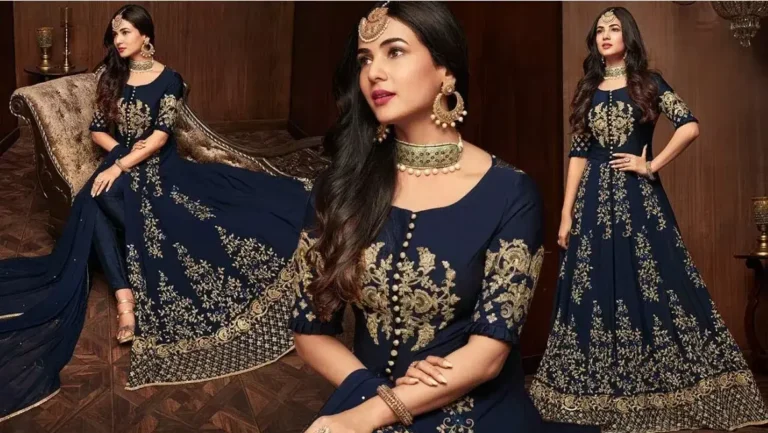
Always-safe territory: jewel tones (emerald, sapphire, amethyst), dusty blues and sages, berry and plum, rich neutrals (navy, chocolate, taupe), and florals on a colored ground. Season-check the pastels: lovely for spring and summer weddings, but ultra-pale pinks and nudes need the photographs-as-white test before purchase.
Skip regardless of color: anything sheer without lining, cutouts that fight the venue (a church ceremony and a rooftop reception have different tolerances), sequins at a daytime garden party, and denim anywhere the invitation used the word “wedding.”
What should you wear for each venue and season?
| Wedding type | The formula | Notes |
|---|---|---|
| Spring garden, daytime | Floral midi + block heels or wedges + light cardigan or wrap | Grass-proof heels; layer for ceremony chill |
| Summer beach | Flowy maxi in breathable fabric + flat metallic sandals + mini bag | Skip heavy makeup; wind-test the skirt |
| Summer evening, outdoor | Jewel-tone slip or midi + strappy block heels + shawl for sunset | Bugs love perfume; venue lawns eat stilettos |
| Fall vineyard / barn | Berry or rust midi + suede block heels or heeled boots + wrap coat | Rich tones photograph beautifully in fall light |
| Winter ballroom, black tie optional | Velvet or satin column midi/gown + heels + faux fur or wool coat | Coat matters — arrival photos happen outside |
| Church ceremony + hotel reception | Knee-to-midi with sleeves or a cover layer + heels; remove layer at reception | One outfit, two formality registers |
| Courthouse / minimony | Elevated suiting or a sleek midi + polished flats or heels | Small wedding ≠ low effort; it means intimate photos |
| Cultural wedding (Indian, Nigerian, Chinese, etc.) | Ask the couple; often bright color is celebrated, sometimes attire is offered | Guests in vivid color are usually a gift, not a risk |
Universal finishing kit for any of the above: a bag that holds phone, lipstick, and tissues; comfortable-by-hour-four shoes (or foldable flats stashed for the dance floor); one warm layer that isn’t a hoodie; and jewelry doing one clear thing — statement earrings or the necklace, not the full showcase.
Where should you buy — or rent — at each budget?
Under $75: Lulus and ASOS own this bracket for occasion dresses in every code short of black tie; Amazon’s occasion-dress ranges work best when you order two sizes and return one; Old Navy and Target cover garden-casual sweetly. Filter by “midi,” check the fabric content, and steam it — a $45 dress pressed beats a $200 dress wrinkled.
$75–200: Abercrombie’s occasion line, Anthropologie’s BHLDN-adjacent guest dresses, Nordstrom’s house brands, and Reformation on sale. This is the bracket where fabric noticeably upgrades and rewear becomes the plan, not the hope.
Rental — the wedding-season cheat code: Rent the Runway and Nuuly put $300–600 dresses on you for roughly $30–100 per event, which changes the math entirely for a three-wedding summer: three distinct memorable dresses for the price of one owned midi, no closet aftermath. Rentals ship with a backup size; order a week early so the backup plan has a backup.
The rewear rule that saves the most: buy the dress that works for weddings and one other life event — a jewel-tone midi does weddings, showers, dinners, and holiday parties; a hyper-trendy cutout number does one summer. Cost-per-wear beats price tag every time.
What mistakes do wedding guests keep making?
Deciding the night before. Occasion dresses need a fit check, a sit-down test, and often a steam or strap adjustment. Order two weeks out; try everything on with the actual shoes and bra.
Optimizing for the mirror, not the day. The ceremony is an hour; the wedding is eight. If the dress can’t survive sitting, eating, hugging, and dancing, it’s a photo prop, not an outfit.
Ignoring the ceremony’s rules for the reception’s vibe. A strappy backless number that’s perfect at the party may need a wrap or bolero for a religious ceremony — pack the layer instead of gambling.
Out-dressing the code upward. A ballgown at a backyard barbecue wedding creates its own kind of scene. Matching the couple’s register is the actual etiquette; the code is them telling you what they pictured.
Forgetting weather is a stakeholder. October vineyard means cold by sunset; July garden means sweat by the vows. The forecast deserves a vote in every outfit.
New shoes, day of. Break them in at home for two evenings or bring the foldable flats. Every wedding has a barefoot-by-ten guest; the goal is admiring her, not being her.
FAQs
What is the best thing to wear to a wedding as a female guest? A knee-to-midi dress in a jewel tone, rich neutral, or floral, with block heels and a light layer — it satisfies cocktail, semi-formal, and most “no dress code” weddings, photographs well, and survives an eight-hour celebration. Adjust fabric up (satin, crepe) for formal codes and down (cotton, chiffon) for daytime garden settings.
Can I wear black to a wedding? At most modern US weddings, yes — black is considered elegant, especially for evening, cocktail, and black-tie events; brighten it with colorful accessories for daytime. The exception is cultural: at many South Asian weddings black carries mourning associations, so check the couple’s traditions before defaulting to it.
Is it OK to wear red to a wedding? Usually, yes — red is a confident, festive choice at most American weddings. Skip it at Chinese weddings, where red belongs to the bride, and consider burgundy or berry if you’d rather not risk pulling focus in photos. Fit and fabric decide whether red reads celebratory or attention-seeking.
What colors should a wedding guest never wear? White, ivory, cream, champagne, and any shade or print pale enough to photograph as white — those belong to the bride at nearly every Western wedding. Beyond that, avoid the couple’s culturally significant colors (red at Chinese weddings) and anything the invitation explicitly reserves, like bridesmaid colors when mentioned.
What do you wear to a wedding with no dress code on the invitation? Read venue plus time: evening at a hotel, ballroom, or restaurant points to cocktail attire; daytime outdoors points to semi-formal. A midi dress with heels sits safely in the middle of both. When truly unsure, ask the couple or another guest — one text beats a day of second-guessing.
Can wedding guests wear jumpsuits or pants? Yes — a tailored jumpsuit or elegant wide-leg suiting in occasion fabric is fully accepted at cocktail, semi-formal, and many formal weddings, and often outdances a dress. Keep the fabric elevated (crepe, satin, structured knits) and the accessories dressy so the outfit reads evening, not office.
How do I dress for a wedding on a small budget? Three routes: the under-$75 occasion ranges at Lulus, ASOS, and Target (steamed and accessorized well), renting a designer dress for $30–100 through Rent the Runway or Nuuly, or re-styling a dress you own with new earrings, shoes, and a different lip. Cost-per-wear math favors a versatile jewel-tone midi over any one-event trend piece.
The takeaway
Wedding-guest dressing is two rules and one decoder: nothing that photographs white, match the invitation’s register, and let venue-plus-season pick the fabric and heel. Jewel tones and midis are the miss-proof center; black and red are fine with cultural homework; rentals turn a heavy wedding season into a styling advantage.
Two weeks out, order the dress and the backup. Tonight, just do the easy part: reread the invitation, note the code and the venue, and let those two lines make half the decisions for you.
Looking for answers? Find them in our handpicked reads crafted with genuine warmth.