






In the digital age, sports fans no longer rely solely on traditional television broadcasts to follow their favorite teams and tournaments. Advances in internet technology, mobile devices, and streaming platforms have changed the way people consume sports content. Today, fans can watch live matches, highlights, expert analysis, and behind-the-scenes content from almost anywhere in the world.
Online sports streaming has become extremely popular because it provides flexibility and convenience. Whether someone wants to watch football leagues, cricket matches, basketball games, tennis tournaments, or esports competitions, modern streaming platforms make it possible to access sports content instantly.
However, the device used to watch sports online can significantly influence the overall experience. Factors such as screen size, video resolution, device processing power, and internet connectivity determine how smooth and enjoyable the streaming experience will be.
Some devices are designed for immersive home viewing, while others focus on portability and convenience. Understanding the advantages and limitations of different devices can help sports fans choose the best option for their needs.
This detailed guide explores the best devices for watching sports online, how each device works, and what features make them suitable for streaming live sports events.
Why the Right Device Matters for Watching Sports Online
Watching sports online requires a device that can handle fast-moving visuals and real-time streaming. Unlike movies or recorded content, sports broadcasts involve rapid movement, dynamic camera angles, and constant action. Because of this, a device must be capable of processing video smoothly without delays or interruptions.
One of the most important aspects of sports streaming is video clarity. High-quality displays allow viewers to see player movements, ball trajectories, and key moments more clearly. Devices that support Full HD or 4K resolution deliver sharper images and improved color accuracy, which enhances the viewing experience.
Another factor is processing performance. Devices with powerful processors and updated operating systems are better able to handle high-definition video streaming without lag or buffering. This becomes particularly important during live matches when viewers expect uninterrupted playback.
Screen size also plays a major role. Larger screens provide a more immersive experience and allow viewers to enjoy the atmosphere of a live sporting event. On the other hand, smaller devices provide portability and convenience for watching sports while traveling.
Selecting the right device ensures smooth streaming, better picture quality, and a more enjoyable overall experience for sports fans.
Smart TVs: The Ideal Choice for Home Sports Entertainment
Smart televisions are widely considered one of the best devices for watching sports online at home. These televisions come with built-in internet connectivity and smart operating systems that allow users to install and access streaming applications directly.
One of the biggest advantages of smart TVs is their large display size. Modern televisions typically range between 40 and 75 inches, making them perfect for watching sports events with friends or family members. A larger screen helps viewers follow the action more easily and creates a more immersive viewing experience.
Many smart TVs also support advanced display technologies such as 4K Ultra HD resolution, HDR (High Dynamic Range), and enhanced motion processing. These technologies improve brightness, color contrast, and motion clarity, which is especially important during fast-paced sports scenes.
Another benefit of smart TVs is their compatibility with various sports streaming platforms. Many streaming services offer dedicated apps that allow users to watch live matches, highlights, and sports analysis directly from their television.
Because of their large screens, advanced display features, and easy access to streaming services, smart TVs remain one of the most popular devices for sports enthusiasts.
Smartphones: The Most Accessible Device for Sports Streaming
Smartphones have become one of the most commonly used devices for watching sports online. Their compact size and portability allow fans to follow matches anytime and anywhere without being restricted to a fixed location.
Most sports broadcasting platforms offer mobile applications that are specifically designed for smartphones. These apps allow users to watch live games, view match highlights, track scores, and receive real-time notifications about important events.
Modern smartphones are equipped with high-quality displays such as OLED or AMOLED screens. These displays provide vibrant colors, strong contrast, and sharp image quality, which enhances the sports viewing experience even on smaller screens.
Another advantage of smartphones is their ability to connect to mobile networks such as 4G and 5G. This allows users to stream sports content even when Wi-Fi connections are unavailable.
Although the screen size of smartphones is smaller compared to other devices, their convenience and accessibility make them an essential tool for sports fans who want to stay connected to live matches wherever they go.
Tablets: A Balanced Option for Comfortable Sports Viewing
Tablets offer a balanced combination of portability and screen size, making them an excellent option for watching sports online. They provide larger displays than smartphones while still remaining lightweight and easy to carry.
Most tablets feature screen sizes ranging from 8 to 13 inches, which provides a more comfortable viewing experience compared to smaller mobile devices. The larger display allows viewers to follow the action more easily and observe important details during fast-moving sports events.
Another advantage of tablets is their strong battery performance. Many tablets can stream video content for several hours without requiring a recharge, which makes them suitable for watching long sports matches or tournaments.
Tablets also support both mobile apps and web browsers, giving users flexibility when accessing sports streaming services. Fans can choose to watch matches through dedicated apps or official sports websites depending on their preference.
Because of their improved display size, portability, and reliable battery life, tablets are a great option for sports fans who want a flexible viewing device.
Laptops and Desktop Computers: Powerful Devices for Sports Streaming
Laptops and desktop computers remain reliable devices for watching sports online. These devices offer larger screens than mobile phones and provide strong processing power that ensures smooth video playback.
One of the major advantages of computers is their ability to access sports streaming platforms through web browsers. Many sports broadcasters provide live streaming services that can be accessed directly through official websites.
Computers also offer excellent multitasking capabilities. Viewers can watch live sports while simultaneously checking statistics, reading match analysis, or interacting with other fans on social media platforms.
Desktop computers connected to high-resolution monitors can provide an even better viewing experience. Some sports fans use multiple screens to watch different matches at the same time during major sporting events.
Because of their strong performance, large displays, and multitasking capabilities, laptops and desktop computers remain a dependable option for sports streaming.
Gaming Consoles: A Versatile Entertainment Device for Sports Streaming
Gaming consoles have evolved into powerful multimedia systems that support much more than just video games. Modern consoles such as PlayStation and Xbox allow users to download streaming applications and watch live sports events directly.
These consoles are typically connected to large televisions, which makes them suitable for watching sports on big screens with high video quality. Because gaming consoles are designed with powerful processors and graphics capabilities, they can handle high-definition streaming without performance issues.
Another advantage of gaming consoles is their versatility. Users can switch between gaming, sports streaming, and movie streaming using the same device. This makes consoles an all-in-one entertainment solution for many households.
Some consoles also support voice commands, wireless controllers, and advanced display technologies that enhance the overall user experience.
For individuals who already own gaming consoles, using them for sports streaming can be a convenient and cost-effective option.
Internet Connection and Network Stability for Sports Streaming
A reliable internet connection is essential for watching sports online. Even the best streaming device cannot deliver smooth video playback without a stable network connection.
Live sports streaming requires continuous data transfer. If the internet connection is slow or unstable, viewers may experience buffering, reduced video quality, or interruptions during important moments of the match.
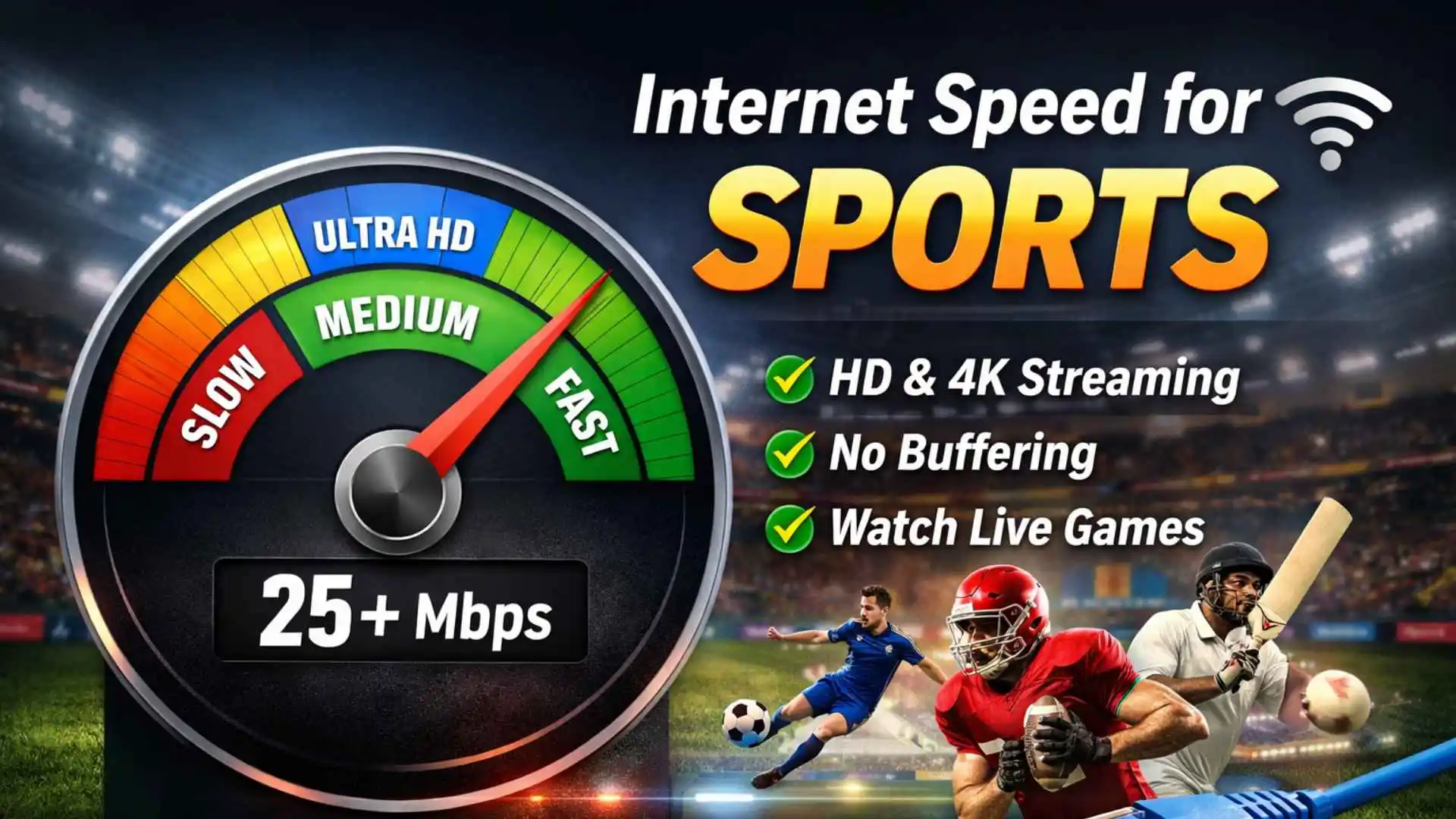
For high-definition streaming, internet speeds of at least 5 Mbps are generally recommended. For ultra-high-definition streaming such as 4K video, speeds of 20 Mbps or higher may be necessary.
Using modern Wi-Fi routers or wired Ethernet connections can improve network stability and reduce interruptions. Fiber-optic internet connections can also provide faster speeds and better reliability for streaming sports content.
Ensuring a strong and stable internet connection helps devices deliver smoother playback and a more enjoyable sports viewing experience.
How to Choose the Best Device for Watching Sports Online
Selecting the best device for sports streaming depends on several personal preferences and technical factors. One of the most important considerations is screen size, as larger displays provide a more immersive viewing experience.
Display quality is also an important factor. Devices that support high-definition or 4K resolution produce clearer images and smoother motion during sports events.
Portability is another aspect to consider. Fans who frequently travel may prefer smartphones or tablets, while those who watch sports primarily at home may prefer smart TVs or desktop computers.
Compatibility with streaming platforms is also essential. The chosen device should support the applications or websites used for sports broadcasting.
Other features such as processing power, battery life, and storage capacity may also influence the performance of the device during streaming.
Conclusion
Technology has created many new ways for sports fans to watch their favorite matches online. Devices such as smart TVs, smartphones, tablets, laptops, desktop computers, and gaming consoles all offer unique benefits for sports streaming.
Smart TVs provide the most immersive viewing experience for home entertainment, while smartphones and tablets offer convenience and portability for watching sports on the go. Computers and gaming consoles also provide powerful performance and additional features for sports enthusiasts.
Choosing the best device depends on personal preferences, viewing habits, and budget. By selecting the right device and ensuring a stable internet connection, sports fans can enjoy high-quality sports streaming and stay connected to their favorite teams anytime and anywhere.