






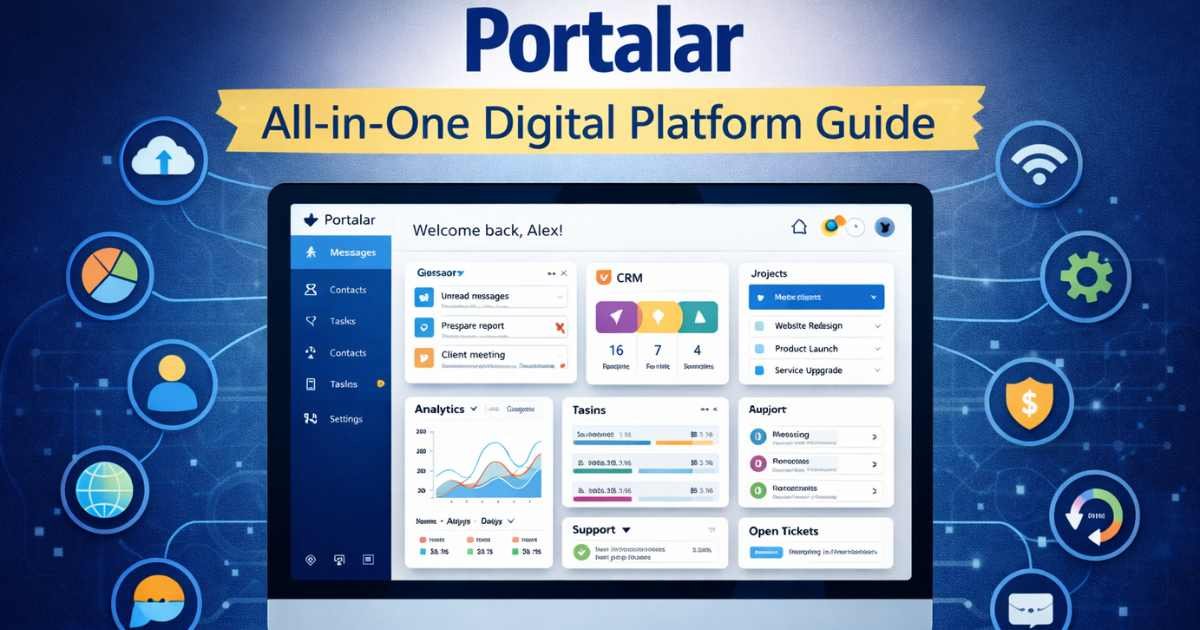
Portalar is a cutting-edge term representing a modern digital ecosystem designed to centralize and integrate multiple digital services into one unified platform. Expanding on the traditional concept of a “portal,” Portalar combines functionalities such as data management, communication tools, task tracking, analytics, and customer service within a seamless environment.
Rather than functioning as a simple gateway, Portalar acts as a comprehensive digital hub that enhances how businesses and individuals interact with technology. By simplifying operations and improving user experience, it positions itself as a scalable solution for modern digital demands.
Defining Portalar
Portalar extends beyond the traditional portal model. While a standard portal typically offers access to specific information or services, Portalar integrates diverse tools into one interconnected system. This creates a flexible and dynamic digital infrastructure capable of serving industries such as business management, education, SaaS, CRM, and online communities.
Instead of managing isolated digital tools, users operate within a centralized ecosystem where project management, communication, analytics, and service delivery coexist within a single interface. This integration reduces complexity and improves operational efficiency.
Why Portalar Is Gaining Attention
Strong Branding and Market Positioning
Portalar stands out as a professional, modern, and memorable brand identity. Its adaptable structure allows businesses to evolve without changing platform identity.
Key Branding Advantages
- Easy to recall and associate with integrated digital solutions
- Suitable across industries such as SaaS, CRM, and education
- Scalable for expanding services and features
Enhanced Service Access and Integration
Portalar centralizes workflows by bringing multiple systems into one environment.
Core Integration Benefits
- Centralized document and communication management
- Cross-platform compatibility with existing systems
- Real-time updates and synchronized workflows
By eliminating tool fragmentation, Portalar improves efficiency and reduces operational friction.
SEO Benefits and Market Differentiation
Because Portalar is a unique term, it offers significant search visibility advantages.
SEO Advantages
- Lower keyword competition compared to generic terms like “portal”
- Clear brand association in search engines
- Opportunity to build strong domain authority around a distinctive keyword
This creates a competitive advantage in digital branding and discoverability.
Applications of Portalar Across Industries
Business Management Systems
Portalar can function as an all-in-one business operations platform, consolidating workflows into a unified structure.
Key Features
- Task and project management
- Customer relationship management (CRM)
- Real-time analytics and reporting dashboards
This integration enhances productivity, collaboration, and data-driven decision-making.
Educational Platforms
Portalar can operate as a centralized learning management system (LMS) supporting course delivery and student engagement.
Educational Features
- Course content and assignment management
- Student performance tracking
- Interactive learning tools such as quizzes and video integration
Educational institutions benefit from streamlined administration and enhanced learning experiences.
Client Access and Support Systems
Businesses can deploy Portalar as a client-facing dashboard system.
Client-Oriented Capabilities
- Account management interfaces
- Support ticket systems
- Service and order progress tracking
This transparency strengthens customer trust and improves service satisfaction.
Community and Collaboration Platforms
Portalar can facilitate the development of interactive online communities.
Community Features
- Membership access controls
- Event hosting and webinar management
- Real-time collaboration and file sharing tools
These features support engagement, knowledge exchange, and collective growth.
How to Build a Portalar Platform
Define Purpose and Target Audience
Clarify the platform’s mission:
- Who will use it
- What problems it solves
- Which features are essential
Choose a Strategic Domain Name
Ensure the domain is:
- Short and memorable
- Relevant to services
- Available across digital channels
Select the Appropriate Technology Stack
Options include:
- WordPress for content-driven systems
- Custom development for scalable enterprise solutions
- SaaS infrastructure for ready-to-use deployment
Design a User-Centric Interface
The interface should be:
- Intuitive and easy to navigate
- Fully responsive for mobile devices
- Visually balanced and uncluttered
Implement Robust Security Measures
Security should include:
- SSL encryption
- Two-factor authentication
- Regular system updates and vulnerability monitoring
Optimize for Search Engines
Effective SEO requires:
- High-quality, informative content
- Natural keyword integration
- Authoritative backlink acquisition
Benefits of Creating a Portalar Platform
Centralized Operational Control
Combining multiple systems into one platform improves coordination and reduces complexity.
Enhanced User Experience
A unified interface minimizes confusion and increases engagement.
Strong Digital Brand Authority
A unique ecosystem strengthens positioning as an innovative and forward-thinking organization.
SEO Strategy for Portalar
To maximize visibility:
- Develop comprehensive educational content around the platform
- Focus on value-driven articles rather than keyword repetition
- Prioritize user experience and structured navigation
A well-optimized Portalar platform can establish long-term digital authority.
Frequently Asked Questions
What is Portalar?
Portalar is a centralized digital ecosystem that integrates multiple services and tools into one unified platform.
How does Portalar differ from traditional portals?
Traditional portals typically offer limited access to specific services, while Portalar integrates diverse tools into a cohesive and scalable system.
Can Portalar function as software?
Yes, Portalar can operate as enterprise software for business management, education systems, or client interaction platforms.
How secure is Portalar?
Portalar incorporates SSL encryption, authentication systems, and continuous updates to ensure data protection.
Conclusion
Portalar represents the evolution of digital infrastructure by centralizing services into a scalable and user-friendly ecosystem. Through integration, branding strength, and strategic implementation, it enables businesses, educators, and communities to streamline operations while enhancing engagement.
As industries continue to demand efficiency, adaptability, and digital cohesion, Portalar provides a flexible framework capable of meeting modern operational challenges.