






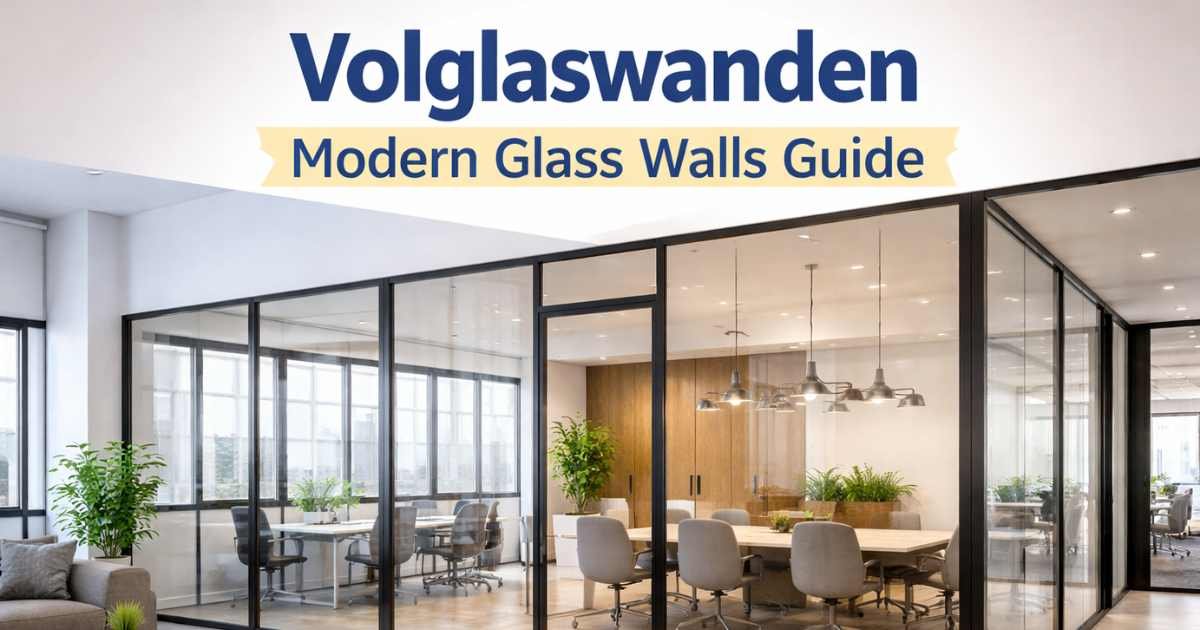
As urban spaces continue to shrink and the demand for multifunctional interiors rises, volglaswanden (glass walls) have emerged as a revolutionary design solution for modern architecture. These transparent partitions serve as functional dividers that not only separate spaces but also enhance the overall aesthetic appeal of the environment. By maximizing natural light, creating visual connectivity, and maintaining a sense of openness, glass walls have redefined how we think about space division in both residential and commercial buildings.
This comprehensive guide explores the features, applications, advantages, and disadvantages of glass walls. Whether you’re an architect, interior designer, or homeowner, this article provides deep insights into why and how you can incorporate volglaswanden into your spaces while maintaining a balance between aesthetics and functionality.
What Are Volglaswanden? Features and Functional Advantages Explained
Volglaswanden, or glass walls, are full-height glass partitions that divide spaces while maintaining openness. These partitions are typically made from high-strength safety glass designed to withstand daily use. Depending on the desired effect, glass walls can be clear, frosted, patterned, or tinted, offering varying levels of privacy and visual appeal.
Unlike traditional partitions, glass walls allow light to flow seamlessly from one room to another. This is particularly valuable in small urban spaces where natural light is limited. They act as room dividers without disrupting spatial continuity.
Key Features of Volglaswanden
- Transparency – Clear glass allows maximum light penetration and uninterrupted visibility, making spaces feel connected.
- Privacy Options – Frosted, etched, or tinted glass provides partial privacy while allowing light transmission.
- Soundproofing Options – Double-glazed or acoustic glass reduces noise when required.
- Energy Efficiency – Insulated glass helps regulate temperature and improve overall energy performance.
- Customization – Frameless, semi-framed, or fully framed designs can match any architectural style.
Types of Glass Walls and Their Applications
Clear Glass Walls
Fully transparent panels allowing unobstructed views.
Best suited for offices, lobbies, and conference rooms.
Frosted Glass Walls
Partially opaque surfaces offering privacy with light flow.
Ideal for bedrooms, bathrooms, and private offices.
Patterned Glass Walls
Decorative textured glass that combines privacy with style.
Common in showrooms, hotels, and premium commercial spaces.
Frameless Glass Walls
Minimalist design with little to no visible framing.
Perfect for luxury homes, galleries, and spas.
Double-Glazed Glass Walls
Two glass layers for improved insulation and sound control.
Best for urban offices or noise-sensitive environments.
Why Volglaswanden Are Popular in Contemporary Design
Maximizing Natural Light and Space Flow
Glass walls enhance natural lighting by allowing sunlight to pass through multiple rooms. This reduces reliance on artificial lighting and creates a more inviting atmosphere. In compact spaces, the visual continuity makes rooms feel larger and more open.
Minimalist Aesthetic Appeal
Volglaswanden align perfectly with modern and minimalist architecture. Their clean lines and refined appearance complement materials like wood, steel, and stone. This versatility makes them suitable for both industrial and luxury settings.
Privacy Without Isolation
Frosted and tinted glass options provide separation while maintaining openness. This balance is ideal for open-concept spaces where zoning is needed without creating a closed-off feeling.
Durability and Low Maintenance
High-quality safety glass resists wear, fading, and deterioration. Maintenance mainly involves regular cleaning, making glass walls a practical long-term investment.
Where Volglaswanden Work Best
Office Environments
Glass walls are widely used in offices to create transparent meeting rooms and collaborative workspaces. They maintain openness while allowing confidential discussions when paired with frosted or acoustic options. They also provide flexibility for future layout changes.
Residential Interiors
In homes, glass partitions divide kitchens, living areas, and home offices without disrupting open-plan design. They are particularly effective in apartments where maximizing light and visual space is essential.
Commercial and Retail Spaces
Showrooms, boutiques, and hospitality venues use glass walls to enhance product visibility and customer flow. They create structured zones without obstructing movement or sightlines.
Challenges and Considerations
Privacy Concerns
Clear glass does not provide full privacy. Spaces requiring complete discretion may need frosted panels, curtains, or hybrid solutions combining glass with solid walls.
Sound Transmission
Standard glass does not block sound as effectively as drywall or brick. Acoustic or double-glazed panels improve sound insulation but may not achieve total isolation.
Initial Cost
Glass walls require professional installation and precise measurement. Customization and high-quality materials can increase upfront investment, though long-term durability offsets costs.
Frequently Asked Questions
Are glass walls energy-efficient?
Yes, insulated and double-glazed glass improves thermal performance and reduces energy consumption.
Can glass walls reduce noise?
Acoustic and double-glazed options significantly reduce sound transmission, though not completely.
How do you maintain glass walls?
Regular cleaning with non-abrasive solutions and microfiber cloths keeps glass clear and streak-free.
How long do glass walls last?
With proper installation and maintenance, volglaswanden can last decades.
Are glass walls suitable for every space?
They are ideal for modern environments prioritizing light and openness but may not suit areas requiring full privacy or soundproofing.
Conclusion
Volglaswanden represent a timeless architectural solution that blends functionality with modern aesthetics. By enhancing natural light, improving spatial flow, and offering flexible design options, they address the demands of contemporary living and working environments.
Although considerations such as privacy, sound control, and initial cost must be evaluated, their durability, minimal maintenance, and visual elegance make them a valuable long-term investment. When integrated thoughtfully, glass walls elevate both the appearance and performance of any space.