





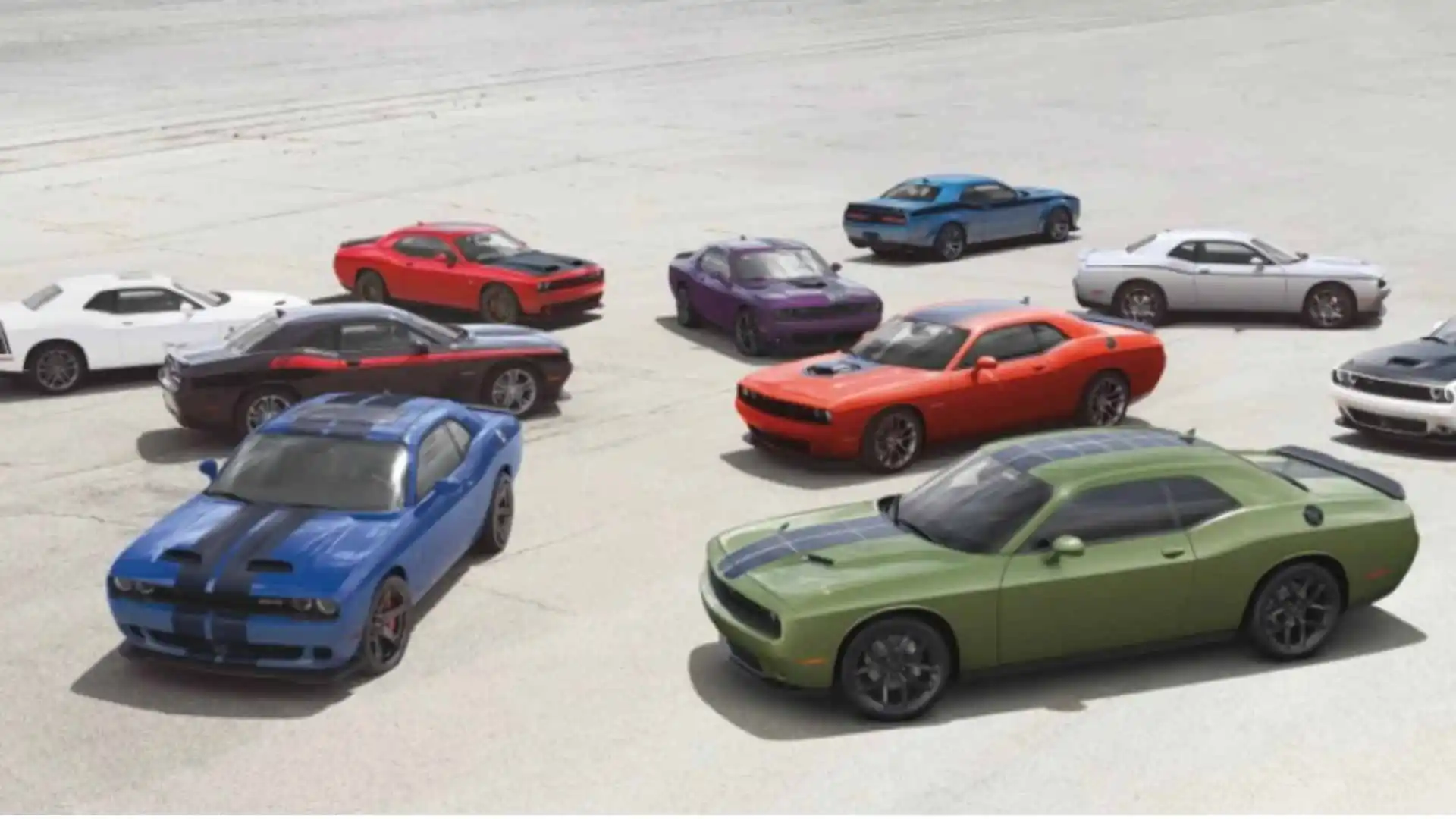
Muscle cars have always been symbols of power, speed, and American automotive culture. One of the most iconic ways to enhance their aggressive look is with challenge stripes racing stripe kits and decals that add character, style, and a performance-inspired aesthetic. Whether you’re updating a classic Dodge Challenger, Ford Mustang, or Chevrolet Camaro, stripes can transform a vehicle from standard to head-turning.
This comprehensive guide covers everything you need to know about challenge stripes, including types, materials, installation, costs, and maintenance, so you can achieve the perfect look for your muscle car.
The History and Popularity of Challenge Stripes on Muscle Cars
Racing stripes have a storied history in American automotive culture. Initially introduced in the 1950s and 1960s, stripes served as visual identifiers on racing cars, making it easier for spectators and pit crews to spot vehicles during high-speed competitions. Over time, the aesthetic evolved from a purely functional feature to a design element beloved by car enthusiasts.
Why Muscle Car Enthusiasts Love Challenge Stripes
- Visual Impact: Stripes instantly add aggressiveness and speed-inspired flair.
- Customization: They allow owners to personalize their car without extensive modifications.
- Heritage: Paying homage to classic racing and muscle car culture.
Today, stripes are as much a statement of style as a nod to performance.
Types of Stripe Kits and Decal Options
Choosing the right stripe kit depends on your car model, design preference, and budget.
1. Classic Racing Stripes
- Single or dual stripes running from the hood to the trunk.
- Typically centered and symmetrical.
- Popular on Dodge Challengers, Ford Mustangs, and Chevrolet Camaros.
2. Offset or Side Stripes
- Stripes positioned along the sides or lower panels.
- Adds a unique, modern twist while highlighting the car’s lines.
3. Hood and Roof Accents
- Partial stripes across hoods, roofs, or rear panels.
- Offers a subtle, sporty look without a full-body commitment.
4. Custom Graphics and Patterns
- Tribal, geometric, or racing-inspired patterns.
- Ideal for show cars or enthusiasts who want something one-of-a-kind.
Material Choices and Finishes
The material and finish you choose affect durability, appearance, and maintenance.
1. Vinyl Films
Most high-quality stripe kits use automotive-grade vinyl:
- Cast Vinyl: Flexible, conforms to curves, highly durable.
- Calendared Vinyl: Slightly thicker, more rigid, better for flat surfaces.
2. Finish Options
- Matte: Non-reflective, aggressive, modern look.
- Gloss: High-shine finish, classic and eye-catching.
- Metallic or Chrome: Adds a premium, reflective effect for show cars.
Full-Body vs Partial Stripes
Full-Body Stripes
- Cover hood, roof, trunk, and sometimes bumpers.
- Maximal visual impact and racing authenticity.
- Usually more expensive due to material and labor.
Partial Stripes
- Cover only specific areas like hood or side panels.
- Affordable, easier to install, subtle style.
- Perfect for daily drivers who want flair without going overboard.
Installation: DIY vs Professional
DIY Installation
Many enthusiasts enjoy applying stripes themselves.
Pros:
- Lower cost
- Flexibility in schedule
- Personal satisfaction from customizing your car
Cons:
- Higher risk of bubbles or wrinkles
- Requires precise alignment
- Can be time-consuming
DIY is more suitable for small or partial stripes and for those with patience and steady hands.
Professional Installation
Professional installers ensure flawless results.
Pros:
- Clean finish with proper alignment
- Long-lasting adhesion and durability
- Warranty support and expert advice
Cons:
- Higher upfront cost
Full-body or complex custom stripe patterns are best handled professionally.
Cost Considerations and Average Pricing
Several factors influence the cost of challenge stripes:
- Vehicle size (compact vs full-sized muscle cars)
- Stripe coverage (full vs partial)
- Material quality (standard vinyl vs premium cast vinyl)
- Finish (matte, gloss, metallic)
- Complexity of design
Estimated Pricing (2026)
| Stripe Type | Average Cost |
| Partial Hood or Side Stripes | $150 – $400 |
| Full-Body Dual Stripes | $500 – $1,200 |
| Custom Graphics | $1,000 – $2,500 |
Keep in mind additional costs for vinyl removal, prep work, or custom color matching.
Design Tips to Match Car Colors and Style
Color Matching
- Use contrasting colors for high visibility. Example: white stripes on black paint.
- Complement existing paint for a sleek, cohesive look. Example: silver stripes on grey cars.
Placement
- Center stripes symmetrically for classic racing aesthetics.
- Side stripes can highlight the car’s natural curves and body lines.
Scale and Proportion
- Wide stripes suit larger vehicles like Challengers and Camaros.
- Narrower stripes work on compact muscle cars like Mustangs or Javelins.
Maintenance and Durability Advice
Proper care ensures that your stripes stay vibrant for years.
Cleaning
- Hand wash with mild soap and water.
- Avoid abrasive brushes that can scratch or peel vinyl.
Sun Protection
- Park in shaded areas or use a cover to prevent UV fading.
- Apply vinyl-specific protective sprays for extra protection.
Minor Repairs
- Address any peeling or lifting edges immediately.
- Avoid strong solvents or harsh chemicals that may damage vinyl.
High-quality cast vinyl can last 5–7 years with proper maintenance, while cheaper options may fade or lift sooner.
Real-World Examples and Inspiration
Example 1: Classic Challenger Dual Stripes
- Vehicle: 2021 Dodge Challenger
- Stripe Type: Full-body dual racing stripes
- Material: Gloss cast vinyl
- Cost: $1,100
- Result: Enhanced aggressive stance and show-ready aesthetics
Example 2: Mustang Side Stripe Accent
- Vehicle: 2019 Ford Mustang
- Stripe Type: Partial side stripe with offset accent
- Material: Matte vinyl
- Cost: $350
- Result: Modern, sporty look suitable for daily driving
Example 3: Camaro Custom Graphic Stripe
- Vehicle: 2020 Chevrolet Camaro
- Stripe Type: Custom geometric pattern across hood and roof
- Material: Metallic vinyl
- Cost: $2,000
- Result: Unique, eye-catching design for events and shows
These examples illustrate how different stripe types and materials can create distinct visual effects, enhancing style, personality, and racing appeal.
Frequently Asked Questions (FAQ)
1. How long do challenge stripes last?
High-quality vinyl stripes can last 5–7 years with proper care.
2. Can I remove stripes without damaging paint?
Yes, professional removal preserves factory paint, leaving your vehicle intact.
3. Are full-body stripes better than partial stripes?
Full-body stripes offer maximum impact, while partial stripes are affordable and subtle. Choice depends on your design goals.
4. Can I DIY a full-body stripe installation?
DIY is possible but challenging. Full-body installations are recommended for professionals to ensure perfect alignment and finish.
5. Do stripes affect car resale value?
Properly installed stripes protect paint and can be removed, often improving resale value if the original paint remains pristine.
Conclusion: Upgrade Your Muscle Car with Challenge Stripes
Challenge stripes are an essential accessory for muscle car enthusiasts looking to combine style, heritage, and performance-inspired aesthetics. From classic dual racing stripes to modern geometric accents, the options are endless.
By selecting high-quality materials, choosing the right design, and either installing professionally or carefully DIYing, you can transform your car into a striking statement of power and individuality.
Now is the perfect time to explore stripe kits, visualize your car’s new look, and invest in professional installation for a durable, high-impact finish. Whether it’s for daily driving, car shows, or weekend cruising, challenge stripes bring a timeless, aggressive style to any muscle car.
Disclaimer
The content provided on this blog is for informational purposes only. While we strive to offer accurate and up-to-date information, prices, installation methods, and product details may vary. Always consult with a professional for installation advice and services. We are not responsible for any damages or issues that may arise from following the recommendations provided on this site. Readers are encouraged to verify information before making decisions based on the content shared.